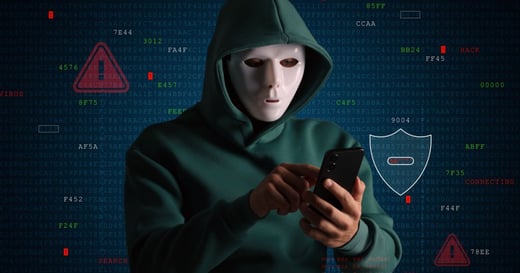


Most businesses find out their credentials were compromised long after the damage is done. Not through an obvious cyber incident. Not through a suspicious email. It usually starts somewhere completely outside their control, at a platform they barely think about, tied to an email address someone on their team used years ago.
That is how dark web exposure works. And it happens far more often than most business owners expect.
What Is Dark Web Exposure?
The dark web is a part of the internet that standard search engines cannot index. Accessing it requires specific tools, and it operates largely out of public view. It is also where stolen data ends up after a cyber incident, sold in bulk to anyone willing to pay for it.
Your business credentials can end up there without your systems ever being directly targeted. All it takes is one employee using a work email address on a third-party platform that later gets hit.
Here is what happens after that:
- The stolen data gets sold to other bad actors
- Those credentials get tested against business accounts
- If passwords are reused, access is gained
- The cyber incident unfolds without a single alert being triggered
No malware. No suspicious link. Just a login that looks completely legitimate.
Why Every Business Is a Target
A lot of business owners assume dark web exposure is a problem for large corporations. The reality is the opposite.
Smaller businesses are frequently targeted because they are less likely to have active monitoring in place. But the data they hold carries real value. Employee records, customer information, financial details, vendor credentials. Attackers are not selective about who they go after. If the data is there, it is worth something.
A few things make dark web exposure especially hard to catch:
- Standard security software does not scan the dark web
- Compromised credentials can sit dormant for months before being used
- Any employee with an external account is a potential entry point
- Reused passwords turn one compromised credential into multiple open doors
What Happens When It Goes Undetected
When compromised credentials eventually get used, the fallout extends well beyond the initial cyber incident.
Regulatory fines become a real possibility when customer or employee data is involved. Compliance audits follow. Legal exposure grows. And the reputational damage from a public disclosure is the kind that takes years to rebuild from.
The businesses that avoid these outcomes are not always the ones with the biggest security budgets. They are the ones that knew what was out there before someone else acted on it.
Cybersecurity Tip: What to Do Right Now
- Audit where work email addresses are being used on external platforms
- Enforce unique passwords across all business accounts, no exceptions
- Enable Multi-Factor Authentication on every account that supports it
- Run a dark web scan to check if your business domain or credentials are already exposed
- Treat dark web monitoring as an ongoing practice, not a one-time check
How Aurora InfoTech Can Help
At Aurora InfoTech, our Dark Web Monitoring service gives your business visibility into what you cannot see on your own.
We scan the parts of the internet where stolen data is bought and sold, identify any instances of your business information being leaked, and alert you before compromised credentials get used against you. Employee records, customer data, financial information — we help you mitigate the risk before it turns into a liability.
Because out of sight should never mean out of mind.
Learn More About Our Dark Web Monitoring Services ➤
Curious What Might Already Be Out There with Your Name On It?